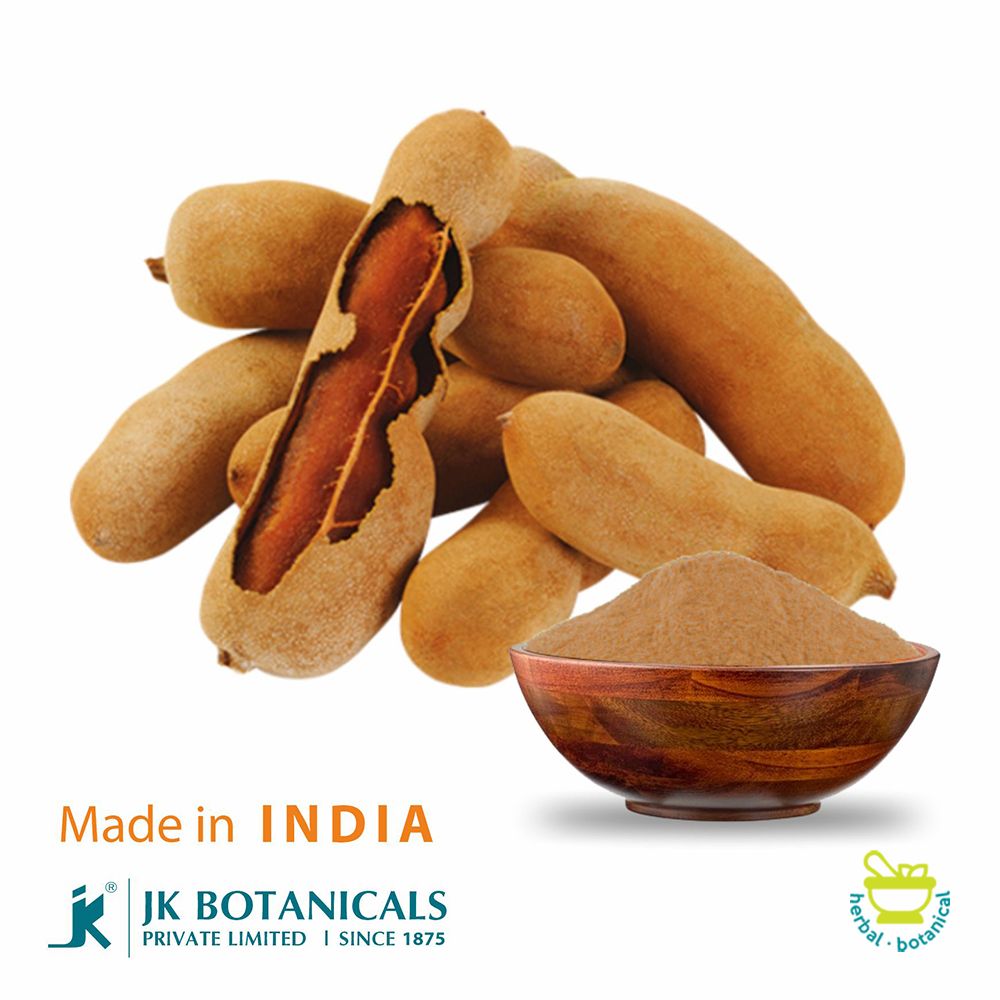
Tamarind or commonly known as Imli in India (Botanical name – Tamarindus indica) is a leguminous tree (family Fabaceae) bearing edible fruit that is indigenous to tropical Africa. The tamarind tree produces brown, pod-like fruits that contain a sweet, tangy pulp, which is used in cuisines around the world. The pulp is also used in traditional medicine and as a metal polish. Tamarindus indica is a long lived and beautiful fruiting tree, growing up to 30 metres tall with a dense, spreading crown. Today, India is the largest producer of tamarind. The consumption of tamarind is widespread due to its central role in the cuisines of the Indian subcontinent, Southeast Asia, and the Americas, especially Mexico. The tree is widely cultivated in the tropics and subtropics as an ornamental plant, for its edible seedpods and also for its many medicinal uses. Tamarind paste has many culinary uses including a flavoring for chutnies, curries, and the traditional sharbat syrup drink. Tamarind sweet chutney is popular in India and Pakistan as a dressing for many snacks. As per ayurveda Imli or tamarind is hot in potency, increses Pitta (heat in the body), helps to digest toxins, improve appetite, enhances taste buds, pacifies extra thirst feeling, helps to improve urine output and remove toxins from the body.