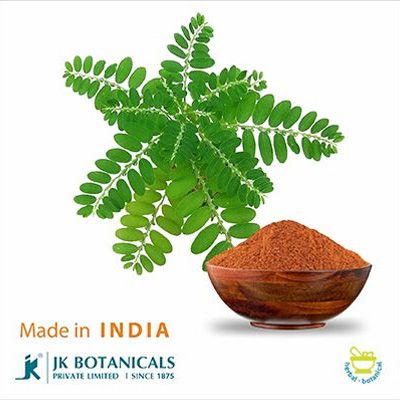
Phyllanthus amarus is a leafy herbal plant found in tropical regions in the Americas, Africa, India, China,Sri Lanka and South East Asia. Commons names for this plant include Gale of the wind, Bhuiavla (Hindi), Bhuiamla (Bengali), stonebreaker, dukung anak (Malay).
Phyllanthus amarus contains flavonoids (quercetin-3-0-glucoside and rutin), tannins and alkaloids. Bhuiamla plant is bitter, astringent, sweet, cooling, antibilious, diuretic, stomachic, febrifuge, liver tonic and antiseptic. Leaves & roots are mainly used, but sometimes whole herb is used for better results.
Traditional Uses
Liver Health: Bhuiamla is often used for its hepatoprotective properties to support liver health and treat conditions like hepatitis. More recently there have been preclinical and clinical studies looking into the plant's supposed liver-protective abilities and effect on hepatitis B. According to animal tests, it has hepatic protection against paracetamol hepatoxicity in rats.
Kidney Health: Known as "stonebreaker" because it is traditionally used to prevent or treat kidney stones. Phyllanthus amarus has been used in the traditional medicine of various cultures, including Amazonian tribes for the treatment of gallstones and kidney stones. Phyllanthus helps improve urinary output as Diuretic.
Digestive Issues: Utilized to relieve constipation and other digestive problems.
Antiviral: Employed in traditional medicine for its antiviral properties, particularly against hepatitis B virus.
Respiratory issues: Ayurveda mentions uses of bhuiamla in bronchitis, cough and cold.
WE HAVE READY STOCK OF 625 KGS AT FACTORY IN INDIA.